
Origin of Nadi Jothidam

Nadi astrology, one of India’s oldest occult sciences, is believed to have originated thousands of years ago through the divine grace of Lord Shiva. According to tradition, Lord Shiva revealed the secrets of time, karma, and destiny to his consort Parvati, which were later recorded by the Saptarishis—the seven great sages—under divine guidance. Using their yogic vision, these sages foresaw the life paths of souls across generations and inscribed them on palm leaves known as Nadi leaves. The sacred knowledge was preserved and passed down through the 18 Siddhas, enlightened masters who integrated the spiritual and medicinal sciences. They safeguarded this wisdom in southern India, particularly in regions like Tamil Nadu.

Nadi astrology serves as a spiritual compass that connects individuals with their karmic past and future possibilities. It helps people understand the purpose of their birth, resolve repeating obstacles, and realign with their dharma through prescribed remedies and prayers. Rooted in divine compassion, its necessity lies in awakening self-awareness and guiding seekers toward liberation, while reaffirming the timeless link between cosmic law, human destiny, and the grace of Lord Shiva. As we look toward the future, the rediscovery of Nadi Jothidam promises to unlock hidden truths and extraordinary insights waiting to enrich the lives of those willing to embark on this transformative journey.

f1

Lord Shiva

In Yogic Lore and the Siddha tradition, Lord Shiva is the first and eternal source of yoga and awakened consciousness. He is not seen merely as a deity but as a cosmic being who embodied the highest possibilities of human evolution. In deep meditation upon Mount Kailash, Shiva shared the science of inner transformation with Devi Parvati, laying the foundation for yogic, spiritual, and scientific wisdom that guides humanity to this day.

From this sacred communion emerged the unbroken lineage of Guru and Shishya Parampara, through which divine knowledge was transmitted to the Saptha Rishi, the seven great seers. These sages carried forward the teachings across diverse fields—yoga, medicine, music, dance, astronomy, astrology, and the esoteric sciences of Tantra and Mantra. Their insights became the bedrock of the Siddha tradition, which later flourished in ancient Tamil lands.

The 18 Siddhas, inheriting this wisdom, integrated physical, spiritual, and cosmic understanding into a unified path of self-realization. For them, the body was a temple, the mind a tool of expansion, and consciousness the means of attaining immortality. Thus, the legacy of Shiva’s revelation continues to illuminate seekers, guiding them toward perfect harmony between soul and cosmos.

Saptarishis

The Saptarishis, or the seven Cardinal Sages, were the first to receive profound knowledge from Lord Shiva at the insistence of Devi Parvati. Lord Shiva transmitted the roots of all known knowledge to the Saptarishis, including areas such as medicine, yoga, music, dance (specifically Bharatanatyam), astronomy, astrology, ancient languages, Tantric scriptures, and other mystical wisdom.

Each Rishi embodied a unique aspect of this profound understanding and carried it across the world, shaping spiritual traditions for millennia. They are not merely figures of the past but living presences, silent guides leading seekers toward transformation and ultimate liberation.
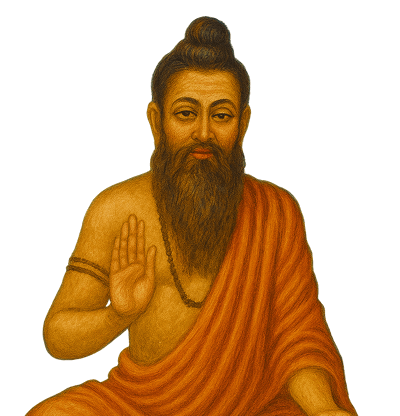
Atri
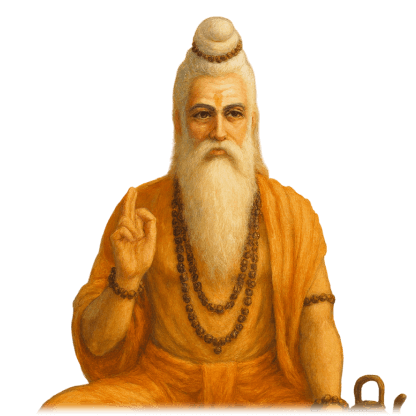
Bharadvāja
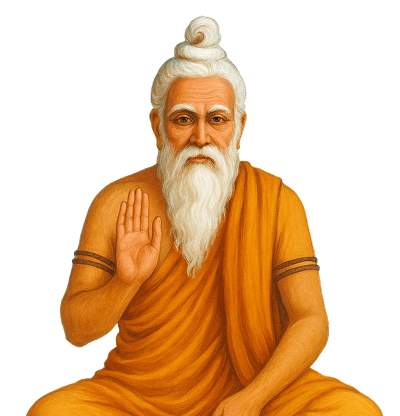
Gautama
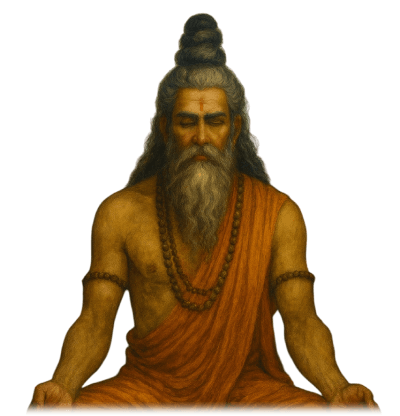
Jamadagni
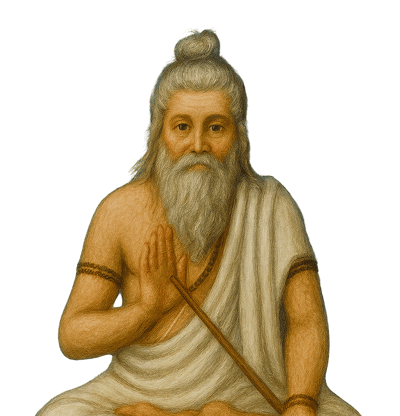
Kashyapa
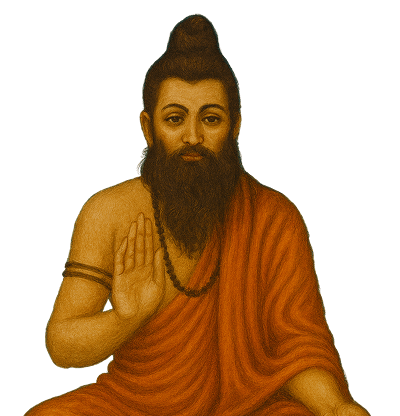
Vashistha
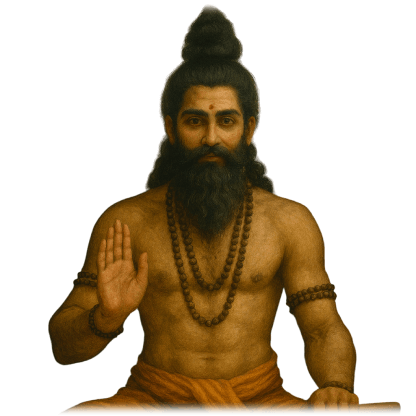
Vishvamitra

The 18 Siddhars – Guardians of Ancient Wisdom

The 18 Siddhars, revered as Pathinen Siddhargal, are enlightened masters who journeyed beyond the boundaries of life and death, unlocking the profound sciences of yoga, medicine, alchemy, and divine mysticism. Rooted in the grace of Lord Shiva and transmitted through Agasthiyar, these Siddhars mapped not just the physical body but the cosmic blueprint of human destiny itself.

Nadi Jothidam, is one such Mystical are which is inscribed and glimpse into the future, a unique form of divination that has captivated seekers for centuries. This ancient practice involves reading Olai Suvadi (Palm Leaves) inscribed in “Vattezhuthu” (the old Tamil language), which contain profound insights into individuals’ past lives, current situations, and potential destinies.
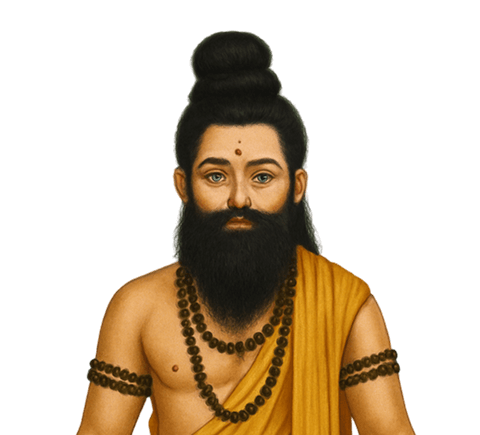
Agathiyar

Eternal mystic sage
Bogar

Master of alchemy
Thirumoolar

Mystic yoga poet
Idaikadar

Astrological mystic
Kudhambai

Humble saint of purity
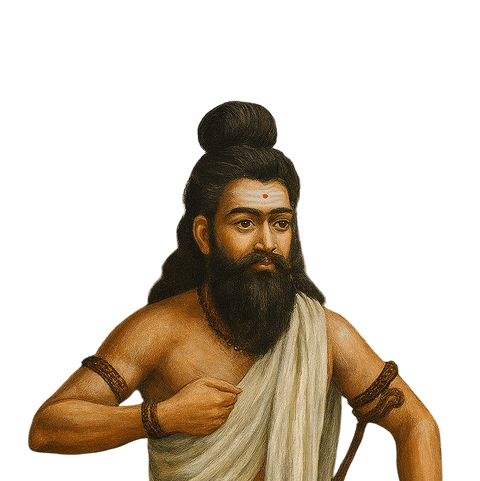
Karuvurar

Sacred architecture sage
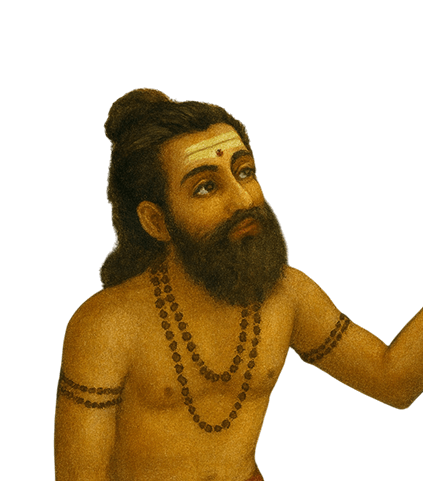
Konkanavar

Ritual & alchemy mystic
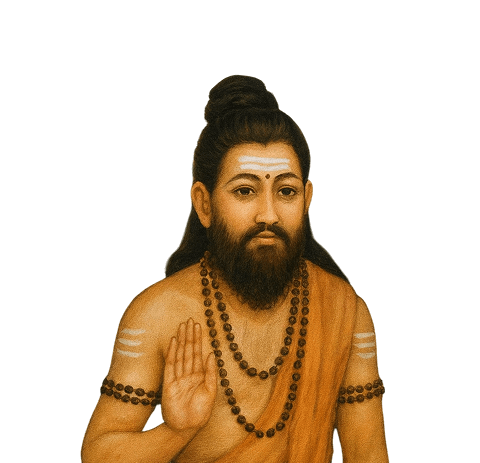
Ramadevar

Alchemist of vitality
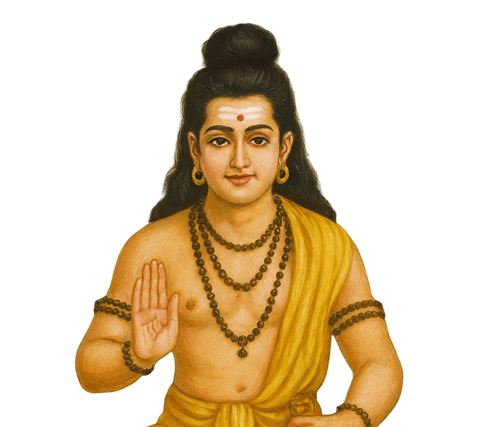
Sundaranandar

Breath & prana sage
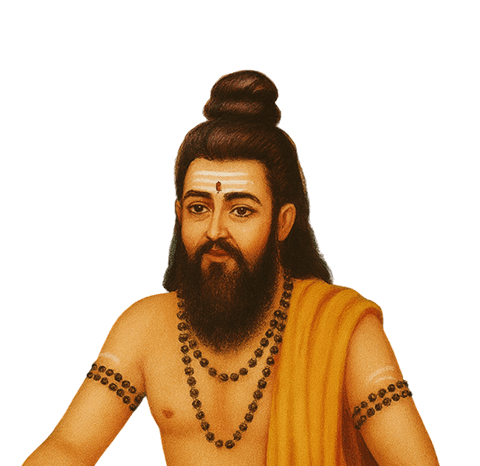
Kamalamuni

Lotus mystic seer
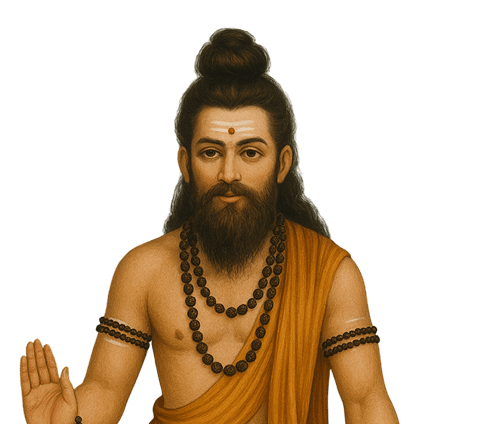
Dhanvanthri

Divine healer saint
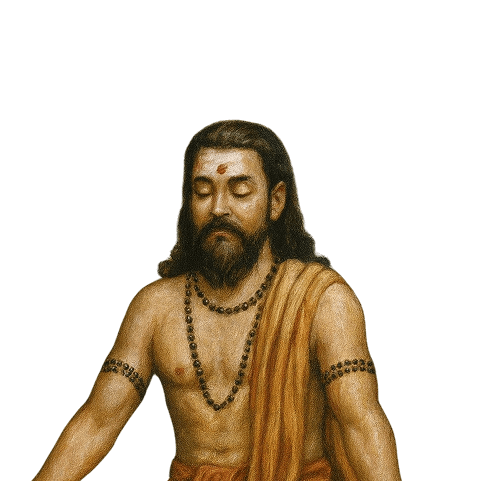
Pampatti

Snake mystic yogi
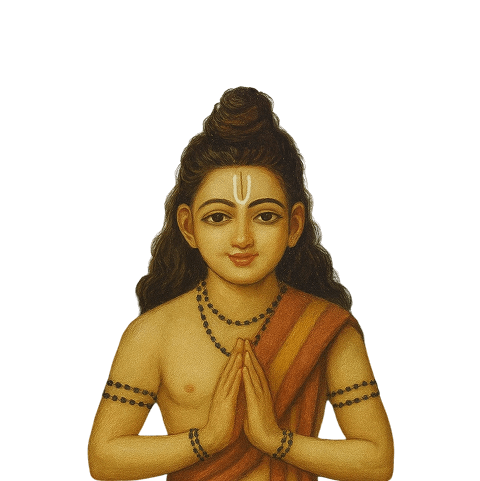
Siva Vakkiyar

Non-dual poet-sage
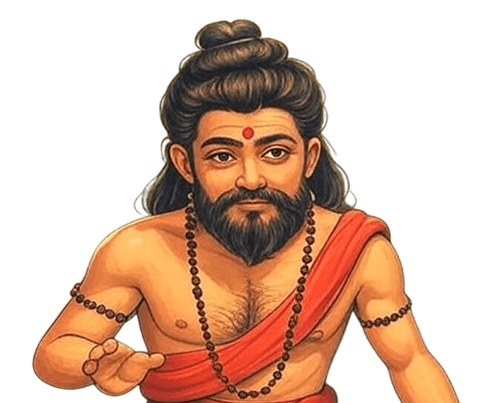
Patanjali

Yoga Sutras master
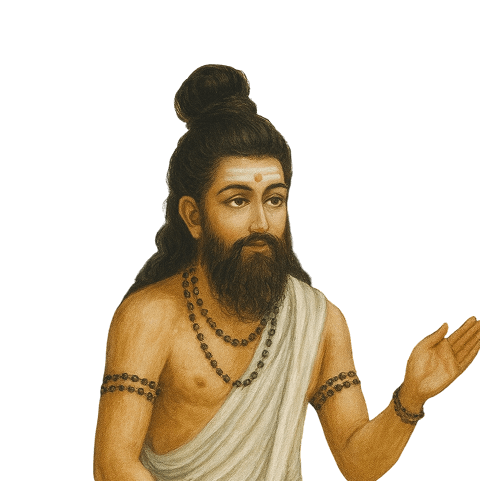
Sattaimuni

Mantra-tantra yogi
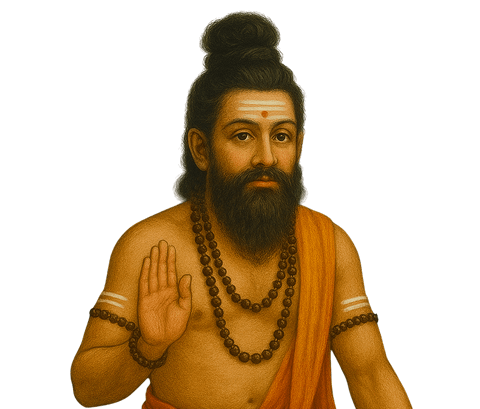
Korakkar

Fearless occult mystic
Nandhi Devar

Guardian yogi
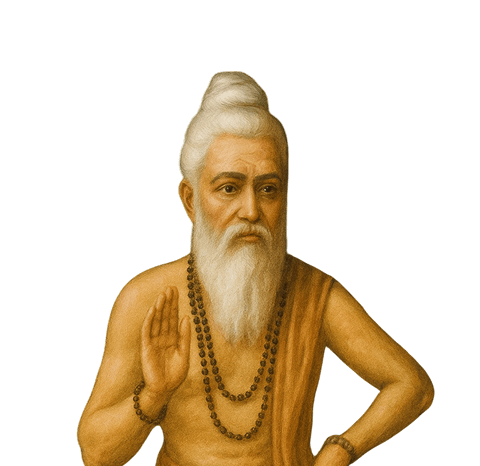
Valmiki

Adi Kavi poet-sage
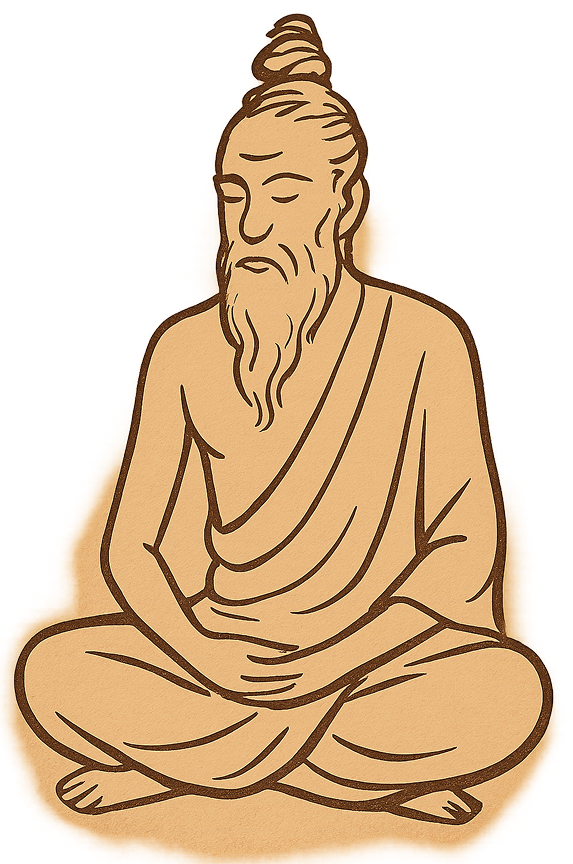
Agasthiyar, the pioneer of the Siddha and Saptha rishi tradition a Direct Disciple of Lord Shiva and Devi Parvathi received his divine knowledge from Shiva in Ganda sarovar , stands as the eternal torchbearer of Nadi Jothidam. Known for his boundless yogic wisdom, he traversed the length and breadth of Bharat (India) to teach Profound mystice science, he has consecrated (Pran Pratishtha) many Lord Shiva Temples across South India and played a Pivotal role in establish the roots of spiritual science in everybody’s life. Agasthiyar is considered to be an Immortal (Chiranjeevi) has ability to live beyond the limitations of time.

It was Agasthiyar who began the sacred work of inscribing karmic blueprints (Divination) on Olai Suvadi (palm leaves), recording not just future events but remedies to harmonize karma. His writings encompass profound knowledge of siddha maruthuvam, alchemy, Yoga, pranayama, and meditation—offering seekers a holistic path to liberation. Even today, every authentic Nadi reading resonates with Agasthiyar’s grace, ensuring the seeker receives clarity, strength, and divine guidance.

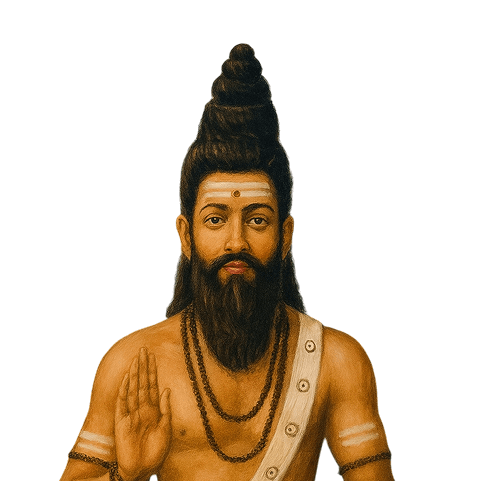
Bogar, one of the most celebrated among the 18 Siddhars, was an extraordinary master of alchemy, kaya kalpa (longevity sciences), and mystical aspects of yoga and Martial Arts. According to ancient Lores, Bogar travelled beyond India to China to spread spiritual knowledge and teach advanced practices of alchemy, medicine, Martial Arts and yoga. It is said that He known as Bo-Yang or Bo-Yang Lao-Tzu by the Chinese.

Bogar Siddhar was an alchemist par excellence, revered for mastering kaya kalpa—the science of rejuvenation and immortality. He consecrate the idol of Lord Murugan at Palani using this Profound science of Prana Pratishtha this idol is made of Navapashana ( 9 deadly Poison) stands as a testimony to his mystical and Yogic powers. Bogar’s Nadi inscriptions reveal rare secrets of elemental alchemy, astrology-based remedies, and techniques for prolonging vitality to support spiritual practice. His legacy assures seekers that health, longevity, and liberation are interwoven, and through the wisdom encoded in his palm leaves, aspirants can dissolve deep karmic afflictions and walk the path of divine realization.

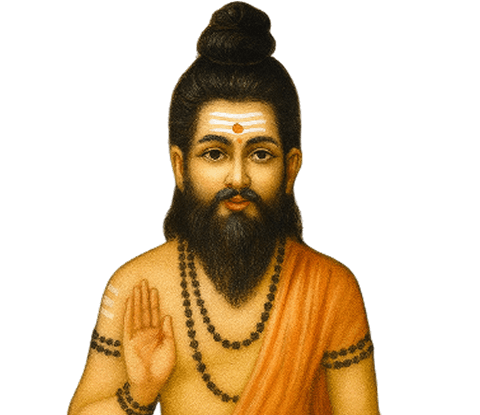
According to Lore, Thirumoolar was originally a Mystic named “Sundar” who, on his way to meet Sage Agastya in the South, encountered a sorrowful herd of cows grieving over the death of their cowherd, Moolan. In a profound act of compassion, Sundar used his yogic power to leave his body concealed in a hollow log and entered the dead cowherd’s body, bringing him back to life. When he returned to retrieve his original body, it had mysteriously vanished—interpreted as a divine sign that he was to remain in Moolan body and impart his mystic wsdom in the vernacular and took the name “Thirumoolar”.

Thirumoolar, the immortal author of Thirumandiram ( Scared Text) revealed timeless truths through mystical verses that continue to guide seekers. His teachings on kundalini awakening, mantra power, and yogic discipline provide the foundation for spiritual transformation. His Nadi writings emphasize that liberation is attained by purifying the mind and awakening divine consciousness within. He declared that love, compassion, and disciplined sadhana are keys to breaking karmic cycles. In the Nadi system, his insights shape remedies that harmonize inner energies and align seekers with cosmic forces, leading them toward eternal bliss.

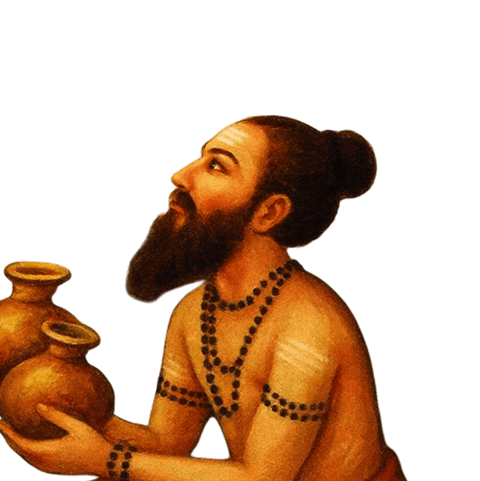
Idaikadar Siddhar, one of the master of astrology, cosmic energy dynamics, and natural forces. His name signifies harmony and balance—qualities that defined his spiritual approach to life. Idaikadar had profound insight into the movements of celestial bodies and their impact on human destiny, making him one of the most respected Siddhars in the field of astrological mysticism.

Idaikadar’s contributions to Nadi Jothidam are extraordinary. His palm-leaf manuscripts decode the subtle interplay between planetary positions and karmic patterns, offering seekers practical remedies to realign their life with universal order. His writings emphasize that while planetary influences shape experiences, they do not bind a determined seeker; through spiritual discipline, devotion, and corrective rituals, one can transcend negative karmic imprints.

In Nadi readings, Idaikadar’s guidance often comes through as powerful remedial measures—mantras, homas, planetary offerings, and yogic practices—to mitigate adverse planetary effects and enhance spiritual progress. For seekers today, his blessings open the path to stability, clarity, and liberation in the midst of life’s uncertainties.

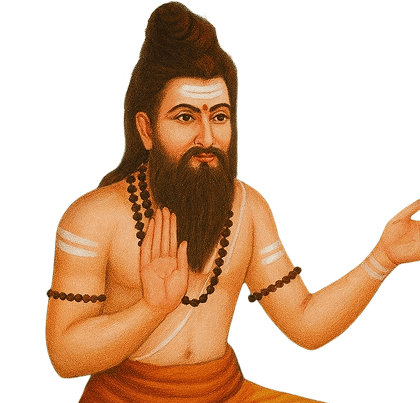
Kudhambai Siddhar is a shining example of the Siddha tradition’s teaching that spiritual greatness lies in humility. Known for his simple lifestyle and deep wisdom, Kudhambai’s life reminds seekers that liberation does not require renouncing the world—it requires renouncing ego and illusion.

His Nadi inscriptions emphasize moral integrity, devotion, and service as the keys to dissolving karmic chains. Kudhambai often declared that love and compassion are the highest forms of sadhana. His remedies combine acts of charity, mantra chanting, and

devotion to the Divine, making his path accessible to householders and spiritual aspirants alike.

Through his blessings in Nadi Jothidam, seekers learn that true power comes from humility and purity of heart.

Karuvurar Siddhar, one of the luminous 18 Siddhars, is revered as the master of sacred architecture, yantra design, and tantric science. His very name reflects his expertise in shaping divine energy into tangible forms through geometry and rituals. Karuvurar was instrumental in creating powerful spiritual structures, where cosmic energies flow in alignment with universal laws.

His contributions to Nadi Jothidam are highly practical and profound. Karuvurar inscribed detailed guidance on how sacred spaces, rituals, and yantras can neutralize karmic afflictions and amplify spiritual growth. His palm-leaf texts describe how planetary influences can be harmonized through energy alignment, temple worship, and specific spiritual practices. Even today, his Nadi instructions are prescribed to seekers for creating spaces that radiate positivity, peace, and divine energy.

Karuvurar’s wisdom reminds us that the universe is a perfect design, and when we live in harmony with that cosmic geometry, destiny transforms.

Konkanavar Siddhar was a master of mystical rituals, alchemy, and inner power. His Nadi texts reveal methods to overcome karmic suffering through mantra sadhana, planetary remedies, and yogic austerities. His blessings empower seekers to channel inner energy for transformation.

Ramadevar Siddhar, is a fascinating figure who bridged spiritual traditions across cultures. Renowned for his mastery of kaya kalpa and inner alchemy, he revealed techniques for rejuvenating the body and sustaining spiritual energy for lifetimes. His travels across lands symbolize the universality of Siddha wisdom.

His Nadi writings contain remedies for physical vitality and mental clarity, essential for deep spiritual practices. Ramadevar taught that immortality is not about escaping death but about realizing the deathless Self beyond body and time. His blessings through Nadi readings guide seekers to strengthen both body and spirit, ensuring steady progress toward liberation.

Sundaranandar Siddhar embodied beauty through simplicity, radiating the grace of pranic mastery. His Nadi verses emphasize the sacredness of breath as a bridge to higher consciousness. He prescribed pranayama techniques and devotional practices as remedies for karmic turbulence. His path assures seekers that liberation is possible through breath awareness, devotion, and aligning oneself with the rhythm of the cosmos.

Kamalamuni Siddhar, whose very name evokes the image of a lotus blooming in still waters, was a mystic devoted to the path of inner absorption. His teachings emphasize that just as a lotus remains untouched by mud, a seeker should remain untouched by worldly distractions.

His Nadi writings focus on meditative practices, mantra japa, and rituals for cleansing karmic stains. Kamalamuni revealed that the heart of the seeker is the ultimate temple where liberation blossoms. Through authentic Nadi readings, his blessings inspire seekers to turn inward, silence the mind, and awaken the infinite within.

Dhanvanthri Siddhar, the celestial healer, combined medicine and spirituality to cure karmic ailments. His Nadi manuscripts contain mantras, herbal formulas, and rituals to restore balance. His teachings assure that healing the body paves the way for soul awakening.

Pambatti Siddhar, one of the most fascinating among the 18 Siddhars, is celebrated for his profound connection with nature and his mastery over kundalini—the primal serpent energy within every human being. The name Pambatti means “snake charmer,” a reference both to his early life and to his spiritual realization that awakening the serpent power leads to liberation.

Once a humble snake charmer, Pambatti Siddhar underwent a radical spiritual transformation through intense tapas (austerity) and the grace of divine knowledge. His life symbolizes the journey from ignorance to enlightenment—shedding ego and worldly attachments, just as a serpent sheds its skin.

Pambatti Siddhar’s contributions to Nadi Jothidam are deeply symbolic and practical. His palm-leaf writings decode karmic entanglements and prescribe remedies that ignite inner energy and harmonize the subtle body. His teachings emphasize that spiritual progress requires shedding limiting identities and awakening the dormant power of consciousness through mantras, pranayama, and disciplined sadhana.

Many of his verses in the Siddhar tradition are mystical poems filled with coded instructions for seekers, urging them to look within for divine truth. Through authentic Nadi readings, his blessings guide seekers to overcome karmic venom, transform inner darkness into light, and rise into the bliss of self-realization.

Siva Vakkiyar Siddhar, a profound poet and philosopher, taught the essence of Advaita (non-duality). His Nadi verses blend spiritual wisdom with simple truths, guiding seekers to see God within and dissolve ignorance. His path emphasizes knowledge, devotion, and karma purification.

Pathanjali Siddhar, one of the greatest sages in the yogic tradition, is revered as the author of the Yoga Sutras and a master of mind-body integration. His teachings map the eightfold path (Ashtanga Yoga), guiding seekers from moral discipline to ultimate liberation.

In Nadi Jothdm, Pathanjali’s wisdom shines through his instructions on combining yogic practices with planetary remedies. His Nadi texts reveal how breath control, meditation, and mantra chanting can neutralize astrological afflictions and purify karma. He reminds seekers that destiny is not rigid; through conscious living, one can rise above cosmic influences and attain union with the Divine.

His guidance continues to empower seekers to live a life of clarity, discipline, and inner radiance.

Sattaimuni Siddhar, one of the profound masters among the 18 Siddhars, was an austere yogi and a supreme practitioner of mantra shastra, tantra, and the science of inner alchemy. His name signifies one clad in the sacred cloth of renunciation, symbolizing his deep detachment from material existence and complete immersion in spiritual pursuit. Known for his intense tapas (penance), Sattaimuni explored the highest states of consciousness and the secret mechanics of creation.

His contributions to Nadi Jothidam are invaluable. Sattaimuni inscribed powerful mantras, sacred rituals, and karmic remedies on palm leaves, enabling seekers to dissolve the weight of past lives and step onto the path of liberation. His writings reveal that every sound vibration carries cosmic energy, and when chanted with precision and devotion, these mantras can neutralize planetary afflictions, heal diseases, and awaken spiritual power.

Sattaimuni Siddhar also taught the mystical science of inner purification, emphasizing that liberation is not found in the external world but in transcending the limitations of the mind and senses. His remedies often combine mantra chanting, fire rituals (homa), yantra activation, and yogic practices—a holistic approach to transforming destiny.

Korakkar Siddhar, was renowned for his fearlessness, mastery of occult sciences, and deep spiritual insight. A devoted disciple of Agasthiyar, Korakkar explored the hidden realms of consciousness and nature with unmatched determination. His name signifies boldness and resilience, qualities that enabled him to command the forces of mind, body, and nature.

Korakkar’s contributions to the Siddha system of medicine and Nadi Jothidam are profound. He authored numerous palm-leaf manuscripts that reveal not only karmic blueprints and astrological secrets but also remedies for physical, mental, and spiritual ailments. His writings hold powerful mantras, mystical rituals, and herbal cures designed to restore harmony and eradicate the root causes of suffering embedded in karma.

What makes Korakkar unique is his emphasis on mental mastery. He taught that the mind, when undisciplined, becomes a source of bondage, but when mastered, it becomes.

Nandhi Devar, revered as one of the primordial Siddhars, is celebrated for his mastery over Agamic wisdom, divine yogic sciences, and the mystical realms of tantra. Considered an embodiment of cosmic consciousness, he is closely associated with Lord Shiva’s sacred bull — the eternal symbol of dharma, steadfastness, and yogic strength. Ancient traditions describe Nandhi Devar as the guardian of esoteric knowledge, preserving the highest secrets of tapas, mantra shakti, and inner alchemy meant for advanced seekers.

As the custodian of Shiva Yoga, Nandhi Devar is said to have initiated great Siddhars, imparting techniques of breath mastery, inner sound (nāda), kundalini awakening, and light-body realization. His teachings emphasize disciplined sadhana, the purification of subtle energies, and the transcendence of duality through unwavering devotion and yogic austerity. Temple lore and Agamic scriptures describe him as the first yogi to receive and transmit sacred tantra–mantra codified within the Shaiva tradition.

Nandhi Devar’s divine presence continues to guide aspirants through the subtle pathways of consciousness, helping them harmonize body, mind, and prana. His legacy assures seekers that steadfast discipline, devotion to dharma, and mastery of inner energies lead to fearlessness, clarity, and ultimate liberation. Through the eternal wisdom attributed to him, aspirants are invited to walk the path of inner stillness, yogic power, and divine union.

Valmiki Siddhar, celebrated as the Adi Kavi, transformed from a life of ignorance to enlightenment. In the Oliyaayam tradition, Valmiki represents the power of inner transformation. His Nadi insights inspire seekers to embrace purity, devotion, and self realization, dissolving karmic impurities with divine grace.

img-koushikar.png

Koushikar – Guardian of Olai Suvadi Wisdom

Among these Siddhars, Koushika Siddhar is honored as a divine torchbearer of Nadi Jothidam. He foresaw karmic destinies and spiritual pathways for countless souls and inscribed them meticulously on Olai Suvadi (palm leaves).

The Koushika branch of Nadi astrology is known for its precision and spiritual depth. Many palm-leaf manuscripts used in modern readings originate from his sacred work, carrying his blessings to seekers across generations.

Know more about Koushikar